Our Immigration Success Blog

The dream of moving to Canada is shared by millions worldwide, drawn by the promise of safety, economic opportunity, and a high quality of life. However, for many, that dream often feels stalled by a mountain of paperwork and a complex, ever-changing legal landscape. In an era where immigration policy shifts rapidly, speed and precision are not just luxuries—they are necessities. At Benjamin Law , we believe that your immigration journey should be defined by clarity, not confusion. Founded in 2010 by Anthony Stephen Benjamin , our firm was established to challenge the "corporate status quo" of impersonal, high-volume immigration factories. We operate as a "Goldilocks-sized" firm: we are large enough to possess deep, comprehensive expertise across all facets of Canadian law, yet small enough to ensure your file never becomes just another number. By prioritizing quality over quantity, we ensure that every application is treated with the meticulous care required to avoid costly delays. The Benjamin Law Difference: The ClearPath to Canada Navigating the journey to a new country is a monumental life decision. To simplify this, we developed our proprietary ClearPath to Canada program. This strategic three-step process is designed to transform doubt into confidence: Assess: We begin with a "value-first" approach, offering a no-obligation immigration assessment. We believe you should understand your realistic options before making a financial commitment. Apply: Once a customized strategy is in place, our experts take the helm. We handle the heavy lifting of the application process—whether it’s Permanent Residence, Citizenship, or various permits—with a focus on precision to ensure a "first-time-right" submission. Arrive: Unlike firms that disappear once the visa is stamped, Benjamin Law stays with you. We are committed to your transition, helping you settle and find success as a newcomer in the Canadian landscape. 7 Fastest Immigration Pathways to Canada When it comes to moving your life across borders, "how long will it take?" is often the first question asked. While every case is unique, several pathways are designed for those who need to move quickly. Here is a breakdown of the seven fastest routes currently available. 1. Express Entry: The Gold Standard for Speed Express Entry is Canada’s flagship application management system for skilled workers. It encompasses the Federal Skilled Worker Program, the Federal Skilled Trades Program, and the Canadian Experience Class. Why it’s fast: The system is entirely electronic, and for those who meet the Comprehensive Ranking System (CRS) thresholds, processing times can be as short as six months . Strategy: Success depends on high language scores and verified educational credentials. 2. Provincial Nominee Programs (PNPs) Provinces across Canada have their own immigration streams to meet local labor market needs. Many of these streams are "enhanced," meaning they are aligned with Express Entry. Why it’s fast: If a province nominates you, you receive an additional 600 points toward your Express Entry profile, virtually guaranteeing an Invitation to Apply (ITA) in the next draw. Strategy: Targeting provinces like Ontario, British Columbia, or the Atlantic provinces where your specific skill set is in high demand can significantly accelerate your timeline. 3. Study Permit to Permanent Residency Canada remains a top global destination for international students. A Study Permit is often one of the quickest visas to obtain, frequently processed in a matter of weeks depending on your country of origin. Why it’s fast: Once you complete your studies, you qualify for a Post-Graduation Work Permit (PGWP). This allows you to gain the Canadian work experience necessary to qualify for permanent residency much faster than someone applying from abroad. 4. Work Permits via Labour Market Impact Assessment (LMIA) If a Canadian employer can prove they cannot find a local worker for a role, they can apply for an LMIA. Why it’s fast: With a positive LMIA, a work permit can often be processed quickly, allowing you to enter the country and start earning while you work toward your permanent status. 5. Family Sponsorship Canada prioritizes the reunification of families. If you are the spouse, common-law partner, or dependent child of a Canadian citizen or permanent resident, this is one of the most direct and prioritized pathways. Why it’s fast: The government has made significant strides in reducing backlogs for spousal sponsorship, with a commitment to processing most applications within 12 months. 6. Start-Up Visa Program For entrepreneurs with innovative business ideas that can compete on a global scale, the Start-Up Visa is a powerful tool. Why it’s fast: If you secure support from a designated Canadian venture capital fund, angel investor group, or business incubator, you can often apply for a temporary work permit to start your business in Canada while your permanent residency application is being processed. 7. Strategic Temporary Resident Visas (TRV) While a TRV (Visitor Visa) is not a direct path to staying forever, it is a strategic "foot in the door." Why it’s fast: It allows for quick entry to explore the market, network with potential employers, or visit schools. Once inside Canada, many individuals successfully transition to work or study permits, which then lead to permanent residency. Why Strategy Matters More Than Speed Alone While the pathways above are the fastest, they are also the most competitive. A single error—an outdated form, a missing police certificate, or an incorrectly calculated work history—can lead to a rejection that sets you back years. This is where the Benjamin Law philosophy becomes your greatest asset. In the world of Canadian immigration, "rushed" often means "wrong." By maintaining a manageable client base, we ensure that your file receives the undivided attention it deserves. We don't believe in "cookie-cutter" strategies because no two families are identical. Whether you are a skilled tech worker, a business owner, or a student, your roadmap must be tailored to your specific education, age, and professional background. Our accountability-driven model ensures that from your initial assessment to your final approval, you are supported by a team that is personally invested in your outcome. At Benjamin Law, our success is defined solely by the success of the families we help settle in Canada. Taking the First Step Toward Your New Life Canada is a land of immense opportunity, but the door only opens for those with a precise and well-executed plan. The complexity of the system is not intended to keep people out, but it does demand a high level of legal literacy and strategic planning. Don't leave your future to chance or settle for an impersonal, high-volume firm where your dreams might get lost in the shuffle. Choose a partner that balances high-level legal expertise with the heart and soul of a family-first practice. The journey of a thousand miles begins with a single, correctly filed document. Let us help you find your fastest, most secure route to the Great White North. Book Your Consultation Today. Take the first step toward your fastest and most effective pathway to Canada with a team that puts your success first. Experience the ClearPath to Canada and move forward with confidence.

With Expert Guidance, Canadian Immigration Need Not Be Complicated Explore Your Path to Canada with Clarity Turning a "No" Into a New Beginning Receiving a refusal letter from Immigration, Refugees and Citizenship Canada (IRCC) can feel like a devastating blow to your dreams. You have invested time, money, and hope into your application, only to be met with a generic letter stating your request has been denied. However, at Benjamin Law Immigration, we want you to know that a refusal is often just a detour, not the end of the road. Since 2010, our Founder and Principal, Anthony Stephen Benjamin, has built a practice focused on one simple truth: our success is defined by your success. We have seen how clients can get lost in massive corporate firms, but our "Goldilocks-sized" firm ensures you get the undivided attention your case warrants. If your Canadian immigration application was refused, our experienced team is here to support you. We don't believe in a "cookie-cutter" approach. Instead, we use our ClearPath to Canada program to transform doubts into confidence. In this guide, we will explore the three best ways to fight an immigration application refusal and how to navigate the re-submission process with expert guidance. Understanding the "Why" Before the "How" Before choosing a strategy to fight a refusal, you must understand exactly why the officer made that decision. Most refusal letters are templated and provide little detail. To get the full picture, we must look behind the curtain. The Power of GCMS Notes The most critical first step in fighting a refusal is requesting the Global Case Management System (GCMS) notes. These are the internal notes made by the IRCC officer who reviewed your file. While your refusal letter might vaguely mention "financial reasons" or "ties to home country," the GCMS notes will contain the officer's specific reasoning. At Benjamin Law, we begin every inquiry with a conversation and a thorough assessment of these notes. Armed with this clarity, we can determine which of the following three paths is the most effective for your specific situation. The Three Best Ways to Fight an Immigration Refusal There is no one-size-fits-all solution for a refusal. Depending on the reasons for the denial and the type of application (Study Permit, Work Permit, Visitor Visa, or Permanent Residency), we typically recommend one of these three strategic avenues. 1. Re-Application with Strengthened Evidence For many Temporary Resident Visas (TRVs) or Study Permits, the most practical and cost-effective path is a strategic re-application. When to Choose This Path This is often the best choice if the refusal was based on a lack of documentation or a failure to convince the officer of your "dual intent" or ties to your home country. How We Improve Your Odds Under our Apply phase, we don't just resubmit the same forms. We build a "Powerhouse" file that addresses the officer's specific concerns found in the GCMS notes. This may involve: Enhanced Letter of Explanation: A detailed legal submission that highlights the merits of your case. New Financial Proof: Providing more transparent and historical evidence of funds. Stronger "Home Ties" Documentation: Providing concrete evidence of employment, property, or family obligations in your home country. 2. Request for Reconsideration In some specific cases, it is possible to ask the IRCC office to take a second look at your application without filing a brand-new one or going to court. The "Administrative Error" Strategy This is a specialized tool used primarily when the immigration officer made a clear factual or procedural error. For example, if you provided a required document, but the officer’s notes claim it was missing, we can submit a formal Request for Reconsideration. Why Expertise Matters Here IRCC is not legally obligated to grant a reconsideration; it is purely at the officer's discretion. Therefore, the request must be drafted with precision, pointing out the specific error of law or fact. Our team’s high standards and flat management structure mean that every request is reviewed for quality and accuracy before submission. 3. Judicial Review (Federal Court of Canada) If your application was refused despite being complete and meeting all legal requirements, and you believe the officer's decision was "unreasonable," you may take the matter to the Federal Court. Challenging Unreasonableness A Judicial Review is not a "re-do" of your application. Instead, a judge looks at whether the decision-making process was fair and whether the decision falls within a range of "reasonable" outcomes. The Process Leave for Judicial Review: We first ask the court for permission (leave) to have the case heard. The Hearing: If leave is granted, we present legal arguments as to why the IRCC decision should be set aside and sent back to a different officer for a fresh look. This is a complex legal process that requires the sophisticated representation found at Benjamin Law. We maintain a manageable client base specifically so we have the time to dedicate to these intensive legal battles. The Benjamin Law Advantage: Why Our Approach Works Choosing a firm to handle a refusal is a major decision. Unlike others, we focus on providing value first . Our process ensures that you have realistic options before you financially commit to a formal service. Personalized Strategies, Not Cookie-Cutter Forms At Benjamin Law, we reject the one-size-fits-all approach. By thoroughly understanding your unique circumstances, we develop strategies customized to your needs. Whether it's a permit extension, a change of status, or a complex permanent residence refusal, your matter warrants our undivided attention. Steering Clear of Rushed Mistakes The reason many applications are refused in the first place is rushed work or costly mistakes made by "high-volume" firms. We take pride in delivering thorough representation. By keeping our caseload manageable, we ensure that your re-submission is polished, professional, and persuasive. Steadfast Support Beyond Approval Your journey doesn't end when we overturn that refusal; it marks the beginning of your new path. Our Arrive phase offers support even after you receive your "Yes," ensuring your transition to Canada is seamless. Transform Your Doubts into Confidence A refusal letter is a challenge, but it is also an opportunity to build a stronger, more transparent case for your future in Canada. Whether through a strategic re-application, a request for reconsideration, or a Judicial Review, the team at Benjamin Law Immigration is ready to help you navigate the intricacies of the system. Don't just wonder about your immigration possibilities—let's discover them together. Take the first step towards clarity and confidence. Anthony Stephen Benjamin and our dedicated team are ready to lay the foundation for your success.
In 2026, the dream of calling Canada home is more accessible than ever, thanks to a streamlined digital application process. However, while the physical paperwork has largely been replaced by digital portals, the complexity of the requirements remains high. At Benjamin Law Immigration , we are dedicated to making the complex Canadian immigration system simple. Many applicants feel overwhelmed by the sheer volume of choices—from Express Entry to Provincial Nominee Programs. Our mission is to transform those immigration doubts into confidence. This guide will walk you through the essential steps of the online application process and show you how our ClearPath to Canada program can ensure your digital submission is flawless. Step 1: Choosing the Right Digital Portal The first hurdle is realizing that "applying online" doesn't mean the same thing for every program. Immigration, Refugees and Citizenship Canada (IRCC) utilizes several different platforms depending on your goals. The IRCC Secure Account (GCKey) This is the primary hub for most temporary residence applications, such as: Study Permits and extensions. Work Permits (including International Experience Canada). Visitor Visas (Temporary Resident Visas). The Permanent Residence (PR) Portal If you are applying for permanent status through family sponsorship, the Rural and Northern Immigration Pilot, or several other economic streams, you will likely use the specialized PR Portal . This platform allows you to fill out digital forms and upload supporting documents specifically tailored for permanent residency. The Express Entry System For skilled workers, the Express Entry system acts as a high-speed management tool for the Federal Skilled Worker, Federal Skilled Trades, and Canadian Experience Class programs. You don't just "apply"—you create a profile and enter a pool to be invited based on your Comprehensive Ranking System (CRS) score. Step 2: Gathering and Digitizing Your Documents One of the most common reasons for application delays in 2026 is "incomplete documentation." In a digital world, your evidence must be perfectly scanned and formatted. Identity Documents: Ensure high-resolution scans of your passport (biographical page), birth certificates, and marriage certificates. Educational Credentials: You will need your Educational Credential Assessment (ECA) if your studies were completed outside Canada. Language Results: Have your digital copies of IELTS, CELPIP, or PTE Core results ready. Ensure they are still valid at the time of submission. Police Certificates: These are required for every country where you have lived for six months or more since the age of 18. Pro Tip: IRCC portals often have strict file size limits (usually 4 MB per file). At Benjamin Law, we help clients manage these technicalities to ensure every document meets the government's rigorous digital standards. Step 3: Completing the Digital Forms and Paying Fees Once your account is set up, you will fill out the "Generic Application Form for Canada" (IMM 0008) and other program-specific forms. The Importance of Accuracy In 2026, the IRCC uses more automated cross-referencing than ever before. A small discrepancy in your employment dates or a missing gap in your travel history can lead to a rejection or, worse, a finding of misrepresentation. Paying Your Fees Fees are paid online via credit or debit card at the end of the application process. Ensure you save your official payment receipt , as you will need to upload it to your portal to finalize the submission. How Benjamin Law Immigration Simplifies Your Journey Unlike others, we are focused on providing value first. We believe in quality over quantity and take pride in delivering thorough and effective representation. By maintaining a manageable client base, we make sure that your immigration matter receives the attention it deserves—helping to prevent rushed work and costly mistakes. Our ClearPath to Canada program is designed to guide you through this digital maze in three clear steps: ASSESS: Following your initial complimentary assessment, if we find you have achievable options, we’ll map out the most effective path in a one-on-one consultation. APPLY: Armed with a customized strategy, our experts skillfully navigate the IRCC portals, preparing and submitting your application to ensure a smooth progression. ARRIVE: Your journey doesn’t end with an approval. We offer steadfast support to ensure your transition to Canada is seamless. Transform Doubts into Discovery Applying online for Canadian immigration is a journey of precision. While the digital tools provided by the government are designed for efficiency, the legal nuances behind every checkbox require an expert eye. At Benjamin Law, we reject the cookie-cutter, one-size-fits-all approach. By thoroughly understanding your unique circumstances, we develop strategies that are customized to your needs. Don’t let technical glitches or confusing forms stand between you and your future. Take the first step towards clarity and confidence. Ready to see if you qualify? Get your Free Canadian Immigration Assessment Today. Don’t just wonder about your immigration possibilities – let’s discover them together.
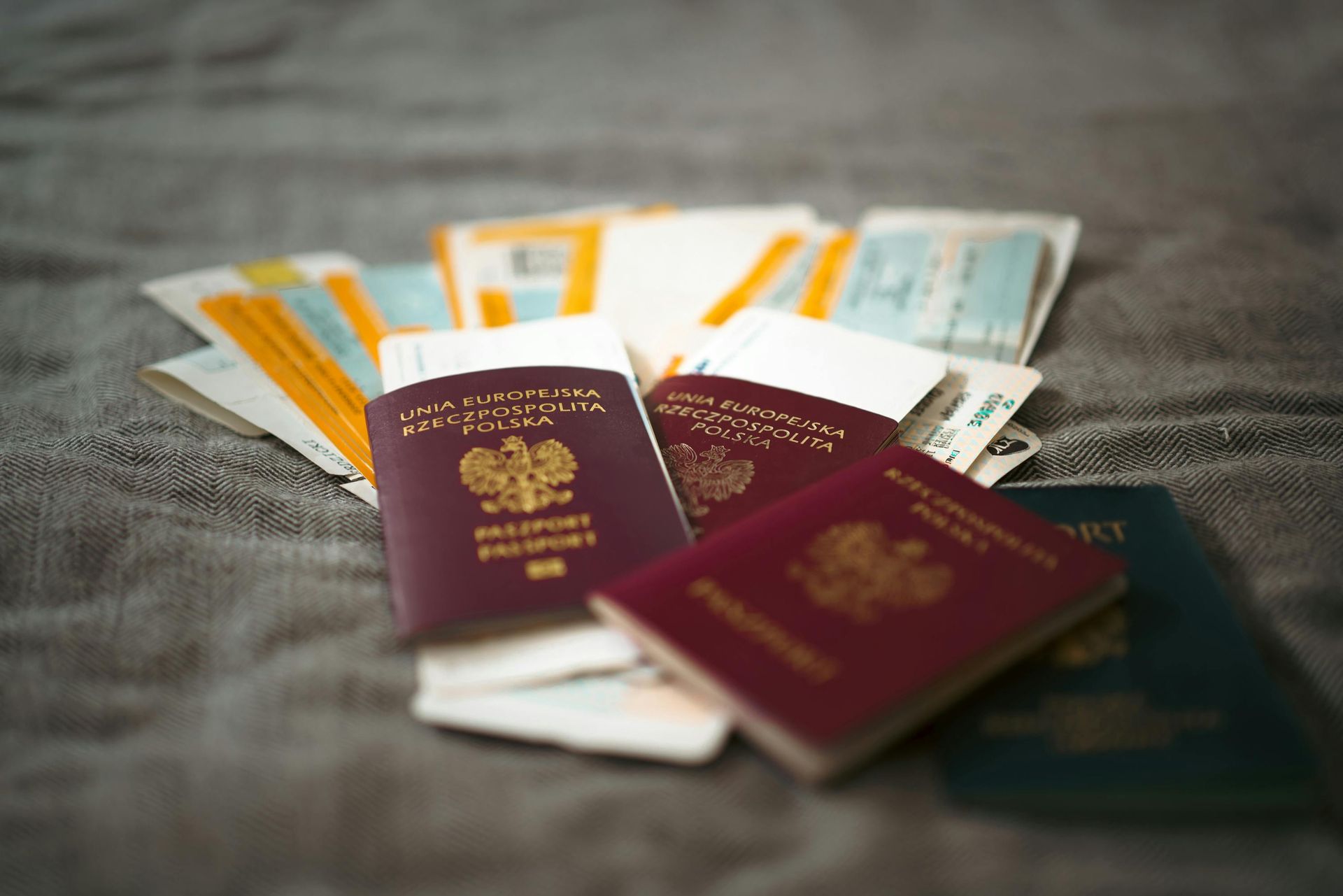
Start the year with a clear path to Canada. As we move into a fresh year, many professionals and families are looking toward new beginnings. For those dreaming of a life in Canada, Toronto remains one of the most vibrant and sought-after destinations in the world. Bustling with cultural diversity, economic growth, and a high standard of living, Toronto offers an unparalleled landscape for aspiring immigrants in 2026. One of the most effective ways to turn this resolution into reality is through Provincial Nominee Programs (PNPs). These programs allow individual Canadian provinces to nominate skilled workers, entrepreneurs, and international students for permanent residency. This post explores how the Ontario Immigrant Nominee Program (OINP) can be your gateway to Toronto and how Benjamin Law Immigration can help you navigate this path. What’s New for PNPs in 2026? Ontario has moved toward a more "agile" immigration system. The traditional pathways have been streamlined to ensure that if you have the skills the province needs, your path to a nomination is clearer than ever. Unified Employer Job Offer Streams: To simplify the process, Ontario is consolidating its job-offer pathways. This makes it easier for skilled workers (TEER 0–3) and essential workers (TEER 4–5) to navigate the requirements. Priority for Healthcare & Trades: With a new focus on "Priority Healthcare" and construction-specific pathways, professionals in these sectors are seeing record-breaking invitation speeds. Enhanced Transparency: New rules in 2026 require Ontario employers to disclose salary ranges in job postings, making it easier for you to ensure your job offer meets the "median wage" requirement for a successful PNP nomination. Key OINP Streams for Your 2026 Strategy The Ontario Immigrant Nominee Program (OINP) remains a powerhouse for growth. Depending on your background, one of these primary streams may be your best "fresh start" ticket: Human Capital Priorities Stream: This remains a flagship choice for skilled workers. It scans the Express Entry pool for candidates with the right education and experience, offering a 600-point boost to your CRS score. French-Speaking Skilled Worker Stream: Ontario continues to prioritize bilingual talent. If you have strong French and English skills, this stream is a high-priority gateway. Exceptional Talent Stream: A brand-new addition for 2026, this pathway targets world-class researchers, tech innovators, and cultural leaders who may not have a traditional job offer but bring immense value to the province. Your Partner for the Year Ahead: Benjamin Law Immigration Starting an immigration journey is a major life decision. Our team at Benjamin Law Immigration provides the expert oversight needed to ensure your application is seamless. We offer: Eligibility Assessment: We evaluate your profile against the latest 2026 provincial requirements. Meticulous Preparation: We handle the documentation so your application stands out to provincial officers. End-to-End Advocacy: From the initial nomination to the final permanent residency stage with IRCC, we are by your side. Take the First Step Today Make this the year you finally make the move. Benjamin Law Immigration offers free consultations to help you chart a customized plan for your future in Ontario. Contact us today at www.benjaminlawimmigration.ca and let’s make 2026 the year you call Canada home.

The body content of your post goes here. To edit this text, click on it and delete this default text and start typing your own or paste your own from a different source.

The decision to seek refugee protection in Canada, particularly within the welcoming yet complex Greater Toronto Area (GTA), is often made under extreme duress. You arrive in a new country, seeking safety, only to be faced with one of the most significant legal challenges of your life: proving a well-founded fear of persecution or risk to your life in your home country. The refugee claim process in Canada is rigorous, highly detailed, and relies entirely on your ability to present clear, compelling, and consistent evidence to the Refugee Protection Division (RPD) of the Immigration and Refugee Board (IRB). Navigating the intricate forms, strict deadlines, and emotional weight of a hearing without expert guidance can jeopardize your future. At Benjamin Law Immigration, we stand with those seeking sanctuary. Immigrate to Canada with one of Greater Toronto Area's Top Immigration Law Firms. Successful Canadian Immigration is only a call away with Benjamin Law Immigration. Our expert team offers personalized guidance and comprehensive solutions for your immigration journey. We ensure your story is heard and your case is prepared to the highest legal standard. The Refugee Claim Process in the Greater Toronto Area Toronto is home to one of the largest refugee claimant populations in Canada, which means the local process is robust but often backed up. Understanding the key stages and requirements is the foundation of a successful claim. Making Your Initial Claim (POE or Inland) A refugee claim can be made in two main ways in the GTA: Port of Entry (POE) Claim: Made immediately upon arrival at an airport (like Pearson International Airport) or a land border crossing. A Canada Border Services Agency (CBSA) officer will conduct the initial eligibility screening. Inland Claim: Made after you have already entered Canada, typically submitted through the Immigration, Refugees and Citizenship Canada (IRCC) online portal. If deemed eligible by IRCC, your claim is referred to the RPD. The moment your claim is referred to the RPD, the clock starts ticking on a critical document: the Basis of Claim (BOC) Form . The Critical Basis of Claim (BOC) Form The BOC Form is the cornerstone of your entire case. It is your opportunity to clearly outline the reasons you need protection, referencing the five Convention refugee grounds or the criteria for being a person in need of protection: Convention Refugee Grounds: Persecution based on race, religion, nationality, political opinion, or membership in a particular social group. Person in Need of Protection: Risk of torture, death, or cruel and unusual treatment or punishment if returned home. The BOC form must be completed and submitted to the RPD within strict deadlines—often 45 days of referral. Failure to meet this deadline or submitting an incomplete form can lead to your claim being abandoned and potentially lead to a removal order. Given the profound impact of this single document, professional assistance is highly recommended. The Refugee Protection Division (RPD) Hearing The RPD hearing is a non-adversarial, yet highly formal, legal proceeding. The Decision Maker: You will appear before an RPD Member (decision-maker) who will listen to your testimony, review your evidence, and ask questions to assess your credibility and the merits of your claim. Credibility is Key: The RPD Member must believe your story. Inconsistency between your BOC form, your evidence, and your testimony can be fatal to your claim. Your counsel’s role is to ensure your testimony is clear, detailed, and aligns perfectly with the documentary evidence. Wait times for hearings in the Toronto region can be lengthy, often taking 20 months or more due to backlog, emphasizing the need to submit a strong, complete file from the start. The Legal Advantage: Why Counsel is Essential While refugee claimants have the right to represent themselves, the stakes are too high to navigate this system alone. Engaging a lawyer from the start transforms your claim from a collection of documents into a strong, legally sound case. H2 The Role of Benjamin Law Immigration in Your Claim Our expert immigration team provides a comprehensive suite of services specifically tailored to the nuances of the Canadian refugee process. 1. Crafting the Compelling Narrative and BOC The BOC is a legal declaration, not just a personal story. We help you translate your traumatic experience into a legally sound narrative that directly addresses the requirements of the Immigration and Refugee Protection Act (IRPA) . Identifying Legal Grounds: We meticulously analyze your situation to clearly identify the most relevant legal grounds for your claim (e.g., membership in a particular social group due to gender or sexuality, or political opinion). Detailed Narrative Drafting: We work with you to draft the narrative, ensuring all crucial details are included, and that the story is presented in a clear, consistent, and chronologically sound manner to minimize credibility issues at the hearing. 2. Evidence Gathering and Country Research A claim cannot rest solely on your word. It must be corroborated by objective evidence related to your home country. Customized Research: We conduct detailed, up-to-date research on human rights conditions, political unrest, and state practices in your country of origin using publicly available reports from sources like Amnesty International, Human Rights Watch, and the U.S. State Department. Document Organization: We identify and organize all supporting documents (passports, police reports, medical records, persecution evidence) and ensure all non-official documents are properly translated and notarized , meeting the strict evidentiary rules of the RPD. 3. Hearing Preparation and Representation The RPD hearing is where your claim is won or lost. Our lawyers ensure you are fully prepared for this critical moment. Mock Hearings: We conduct mock hearing sessions to familiarize you with the format, the types of questions the RPD Member and Minister's counsel may ask, and how to maintain composure and provide credible, relevant testimony under pressure. Legal Advocacy: At the hearing, your lawyer acts as your advocate, presenting your case, making legal submissions, introducing evidence, and ensuring the proceedings are conducted fairly and according to the law. Appeals and Post-Decision Support If your claim is refused, your journey is not over. We are prepared to assist with the next steps: Refugee Appeal Division (RAD): We assess the RPD decision for legal errors and prepare an appeal to the RAD, which generally focuses on errors of fact or law made by the RPD Member. Federal Court Judicial Review: If the RAD decision is also negative, we can seek leave for judicial review at the Federal Court of Canada, arguing that the decision-making process was unfair or unreasonable. Pre-Removal Risk Assessment (PRRA): If all other remedies are exhausted, we can apply for a PRRA, which assesses the risk you face immediately before removal. Find Safety and Success in Toronto The process of claiming refugee protection in the GTA is complex, time-sensitive, and inherently high-stakes. While Canada offers a path to safety, that path is navigated through a difficult legal labyrinth. Your success depends on the meticulous preparation of your BOC form, the strength of your evidence, and the quality of your representation at the hearing. At Benjamin Law Immigration, we offer the expertise, compassion, and tireless dedication required to successfully represent you before the IRB. We understand the profound importance of your claim—it is a matter of life and safety. Immigrate to Canada with one of Greater Toronto Area's Top Immigration Law Firms. Successful Canadian Immigration is only a call away with Benjamin Law Immigration. Our expert team offers personalized guidance and comprehensive solutions for your immigration journey. Let us be your trusted legal guide on the path to sanctuary. Contact Benjamin Law Immigration today for a consultation to discuss your refugee claim and start building your case.

Immigrate to Canada with one of Greater Toronto Area's Top Immigration Law Firms. Successful Canadian Immigration is only a call away with Benjamin Law Immigration. Our expert team offers personalized guidance and comprehensive solutions for your immigration journey. The Gateway to Opportunity Toronto, a global city celebrated for its dynamic economy and multicultural populace, stands as the ultimate destination for skilled immigrants. The Greater Toronto Area (GTA) is a powerhouse of commerce, technology, and culture, yet its rapid growth means it faces a persistent demand for skilled workers to fill crucial labour market gaps. Canada's response to this need is the Federal Skilled Worker Program (FSWP) , a cornerstone of the Express Entry system, which offers a clear and merit-based pathway to Permanent Residence (PR) for qualified professionals from around the world. This article explores how the FSWP is designed to meet Toronto’s burgeoning demand, highlighting the most in-demand sectors and offering essential guidance on leveraging your skills for a seamless transition to a rewarding career in one of the world's most vibrant cities. The Federal Skilled Worker Program: Your Path to Toronto The FSWP is an economic immigration program for skilled workers who have foreign work experience and wish to become permanent residents based on their ability to settle and contribute to the Canadian economy. It is a critical component of the federal government's immigration strategy, directly feeding the national labour pool—a pool Toronto draws heavily from. FSWP Minimum Eligibility Requirements To be eligible to create an Express Entry profile under the FSWP, candidates must meet several minimum criteria, assessed via a 67-point grid out of 100: Skilled Work Experience: You must have at least one year of continuous, paid, full-time (or equivalent part-time) work experience in the last 10 years in a skilled occupation (National Occupational Classification or NOC TEER 0, 1, 2, or 3 ). Language Ability: You must take an approved language test (English or French) and achieve a minimum score of Canadian Language Benchmark ( CLB 7 ) in all four abilities (reading, writing, listening, and speaking). Education: You must have a Canadian secondary (high school) or post-secondary certificate, diploma, or degree, or a foreign equivalent with an Educational Credential Assessment (ECA) . Meeting the 67-point minimum on this grid qualifies you to enter the Express Entry pool . How the Comprehensive Ranking System (CRS) Works Once in the Express Entry pool, candidates are ranked using the Comprehensive Ranking System (CRS) , which scores profiles out of a maximum of 1,200 points. The CRS score is what ultimately determines who receives an Invitation to Apply (ITA) for Permanent Residence. While the 67-point grid only determines eligibility for the FSWP, the CRS score dictates your chances of success . Factors that significantly boost your CRS score include: Higher Language Scores: Aiming for CLB 9 or higher can drastically increase your points. Advanced Education: Master’s or Doctoral degrees carry more points. Age: Candidates between 20 and 29 years old receive maximum points. Adaptability: Having a Canadian sibling, previous Canadian work/study experience, or a spouse/partner with strong language skills. The cut-off score in Express Entry draws fluctuates based on the size and frequency of the draw. Staying competitive often means proactively boosting your CRS score, which is a key area where expert legal advice becomes invaluable. Toronto's In-Demand Occupations Toronto's economy is diversified, but certain sectors are experiencing explosive growth, leading to a critical shortage of skilled professionals. These sectors offer the most promising opportunities for FSWP candidates. Technology and Innovation 💻 As a major North American tech hub, Toronto has an insatiable appetite for talent. The demand spans across various sub-sectors, including FinTech, AI, and digital media. In-demand roles include: Software Engineers and Developers (NOC 21232) Data Analysts and Scientists (NOC 21223) Cybersecurity Specialists Information Systems Managers (NOC 20012) Healthcare and Social Services 🏥 The GTA's aging population and expanding healthcare infrastructure have created an urgent need for medical professionals at all levels. This sector is a consistent area of focus for targeted Express Entry draws. Key occupations include: Registered Nurses (NOC 31301) and Licensed Practical Nurses (NOC 32101) Physiotherapists and Occupational Therapists Physicians and Specialists Early Childhood Educators and Assistants (NOC 42202) Personal Support Workers (PSWs) (NOC 34101) Skilled Trades and Infrastructure 🛠️ Toronto's booming real estate market and major infrastructure projects—from transit to commercial construction—rely heavily on skilled trades workers. These professions are not only in high demand but also offer excellent long-term career prospects. Essential roles include: Electricians (NOC 72401) Plumbers Construction Managers (NOC 07101) Welders and Carpenters (NOC 72310) Financial and Business Services 💰 As Canada's financial capital, Toronto constantly seeks professionals in finance to manage its vast banking, insurance, and investment sectors. Financial Analysts (NOC 11101) Accountants Project Managers (NOC 70010) Human Resources Managers (NOC 10011) Targeting a career in one of these high-demand occupations significantly enhances a skilled worker's application, particularly through the use of Category-Based Selection Draws within Express Entry, which frequently prioritizes these sectors. Securing Your Future in Canada The Federal Skilled Worker Program remains one of the most effective and popular routes for skilled professionals seeking to establish Permanent Residence in Canada. For those eyeing the vast economic landscape of Toronto, aligning your expertise with the city's critical labour demands in technology, healthcare, an d trades is a powerful strategy for success. Navigating the complexities of the FSWP's 67-point grid, the dynamic CRS score requirements, and the specific needs of the Toronto job market demands a methodical approach. From ensuring your Educational Credential Assessment is properly prepared to maximizing your language test scores, every detail matters. Don't leave your immigration future to chance. Benjamin Law Immigration offers the specialized knowledge and personalized legal strategy needed to transform your skilled experience into a successful Canadian immigration story. Our commitment is to provide comprehensive, up-to-date guidance, ensuring your application is not just eligible, but truly competitive. Your life in Toronto awaits. Immigrate to Canada with one of Greater Toronto Area's Top Immigration Law Firms. Successful Canadian Immigration is only a call away with Benjamin Law Immigration. Our expert team offers personalized guidance and comprehensive solutions for your immigration journey.

In an increasingly interconnected world, economic decisions made by one nation can ripple across borders, impacting global trade, consumer prices, and even the social fabric of another country. For Canada, a nation whose economy is deeply integrated with that of the United States, recent protectionist measures south of the border have created significant economic headwinds. The imposition of tariffs on key Canadian exports has not only disrupted industries and supply chains but has also contributed to a tangible rise in costs for Canadian consumers. This economic uncertainty, in turn, is influencing a fundamental pillar of Canadian society: its immigration policy. This blog post will explore how US tariffs are raising prices for Canadians and, in a broader sense, shaping the conversation and future of immigration in Canada. The Economic Fallout of US Tariffs The principle behind protectionism is simple: shield domestic industries from foreign competition by making imported goods more expensive. In practice, however, the results are far more complex. The imposition of tariffs on Canadian steel and aluminum, for example, has had a direct and measurable impact on Canada’s trade-exposed sectors. While intended to bolster American producers, these tariffs have put Canadian industries at a disadvantage, leading to a decline in exports and a contraction in the Canadian economy. How Tariffs Translate to Higher Prices for Canadians The connection between US tariffs and the rising cost of living for Canadians is not always direct, but it is undeniable. When the US places a tariff on Canadian steel, for instance, it's not just the steel industry that feels the pinch. The effects cascade through the supply chain. For Canadian companies that rely on US-made goods as inputs, retaliatory tariffs have made those materials more expensive. For example, Canada has historically responded to US tariffs with its own duties on a range of American products, including consumer goods. While many of these retaliatory tariffs have recently been removed to ease negotiations, those that remain on key sectors like steel, aluminum, and autos continue to impact Canadian businesses. The Ripple Effect on Canadian Consumers The costs incurred by Canadian businesses as a result of tariffs are often passed down to the consumer. A construction company building a new home might face higher prices for steel beams, a cost that is ultimately factored into the final price of the house. Similarly, a car manufacturer might face increased costs for aluminum parts, which are then reflected in the sticker price of a new vehicle. While many of Canada's retaliatory tariffs have been removed, the residual impact of US tariffs, combined with broader economic pressures, continues to affect purchasing power. The cost of raw materials and intermediate goods has risen, which in turn leads to higher prices for a wide range of products, from household appliances to industrial machinery. This inflationary pressure squeezes household budgets, making it more challenging for families to manage their expenses. The Impact on Canada’s Labour Market The economic uncertainty and direct costs of tariffs have also had a noticeable effect on Canada's labour market. Industries heavily exposed to trade, such as manufacturing and goods-producing sectors, have experienced slower job growth. In contrast, service-based industries have shown more resilience, but the overall picture is one of a bifurcated economy. The job data from early 2025, for example, showed a significant divergence, with the goods-producing sector shedding positions while services saw some gains. This has led to a weaker overall job market, with a rise in precarious, part-time work as firms become hesitant to hire for permanent, full-time roles due to the uncertain trade environment. The Connection to Canadian Immigration Policy Canada’s immigration policy is a powerful economic tool, meticulously designed to meet the nation’s demographic and labour needs. For decades, immigration has been the primary driver of Canada's labour force growth and a key pillar of its economic success. However, the economic challenges posed by protectionism and a slower domestic economy are now directly influencing this policy. Immigration as an Economic Lever Historically, Canada has used immigration to fill labour shortages and attract the skills needed for a prosperous economy. When the economy is strong and growing, the government often increases immigration targets to fuel that growth. Conversely, when economic headwinds appear, the public and policymakers alike begin to question the capacity of the country to absorb new arrivals. The current economic climate, marked by high inflation and a weaker job market, has intensified the public debate around immigration. Concerns about housing affordability and the strain on public services—such as healthcare—have led to a shift in government policy. In response to these pressures, the government has recently lowered permanent resident targets and introduced caps on the number of temporary residents, including international students. A Shift in Policy and Perception The move to a more cautious immigration approach is a direct reflection of domestic economic realities. While immigration remains a crucial long-term strategy to combat an aging population and low birth rates, the short-term economic challenges are forcing a re-evaluation of the pace of growth. The government is attempting to strike a balance between attracting the talent needed for a strong future and addressing the immediate concerns of its citizens regarding housing and job market stability. For prospective immigrants, this creates a new set of challenges. A slowing job market in certain sectors, coupled with higher living costs, may make Canada a less attractive destination. Additionally, policy changes—such as the removal of extra points for job offers in the Express Entry system—signal a shift towards a more merit-based selection process that values core qualifications over pre-existing employment ties. Conclusion The cost of protectionism extends far beyond a few percentage points on a spreadsheet. It is a tangible burden felt by Canadian consumers in the form of higher prices and by workers in the form of a more challenging job market. This economic fallout, largely driven by US tariffs and the ensuing trade disputes, is now directly influencing Canada's immigration policy, a central component of its long-term economic strategy. At Benjamin Law Immigration, we understand that these macroeconomic trends are not abstract concepts; they are forces that shape the lives of our clients and the decisions they face. Navigating the Canadian immigration system in this evolving landscape requires a keen understanding of both legal frameworks and the economic currents that influence them. Our expert team is here to provide the personalized guidance and comprehensive solutions you need to make sense of these complex changes and chart a clear path to Canada. Whether you are a skilled worker, a family member, or a business professional, we are committed to your success. With Benjamin Law Immigration, successful Canadian Immigration is only a call away. Disclaimer: This blog post is intended for informational purposes only and does not constitute legal advice or create a lawyer-client relationship. Immigration laws, policies, and economic conditions are complex and subject to change. You should consult with a qualified Canadian immigration lawyer regarding your specific situation. Contact Benjamin Law Immigration for personalized legal counsel licensed to practice immigration law in Canada.

The Path to Safety: Understanding the Canadian Refugee and Asylum Seeker Process Canada has long been a beacon of hope for individuals fleeing persecution, violence, and instability in their home countries. The process of seeking refuge, however, can be complex and daunting. For those who have endured unimaginable hardship, navigating a foreign legal system can feel like another insurmountable challenge. At Benjamin Law Immigration, we are dedicated to providing the compassionate and expert legal support that refugee and asylum seekers need to navigate this journey with confidence. A Sanctuary for Those in Need Canada’s commitment to international humanitarianism is enshrined in its immigration laws, which offer protection to individuals who meet the definition of a Convention Refugee or a Person in Need of Protection. A Convention Refugee is a person who is outside their home country and has a well-founded fear of persecution for reasons of race, religion, nationality, political opinion, or membership in a particular social group. A Person in Need of Protection is someone in Canada who would face a risk to their life, a risk of cruel and unusual treatment or punishment, or a danger of torture if they were to return to their home country. Understanding which of these categories applies to your situation is the critical first step in building a strong claim. The Refugee Claim Process: Step-by-Step Guidance The refugee claim process in Canada can be initiated in one of two ways: at a port of entry (such as an airport or land border crossing) or from within Canada (an inland claim). While the specific procedures may vary slightly, the overall journey involves several key stages. 1. Making Your Claim Port of Entry Claim: When you arrive at a Canadian port of entry and make a claim for refugee protection, you will be interviewed by a Canada Border Services Agency (CBSA) officer. The officer will determine if you are eligible to make a claim and will collect your fingerprints and photo. If your claim is deemed eligible, you will be given a Basis of Claim (BOC) form and a Refugee Protection Identity Document (RPID), which is essential for accessing health care and applying for work or study permits. You will then have 45 days to complete and submit the BOC form. Inland Claim: If you are already in Canada, you can make a claim through Immigration, Refugees and Citizenship Canada (IRCC). This is done through an online application, which must be completed within 90 days. After submitting the application, you will attend an appointment at an IRCC office. Similar to a port of entry claim, an officer will assess your eligibility and, if approved, refer your claim to the Refugee Protection Division (RPD) of the Immigration and Refugee Board (IRB). 2. The Basis of Claim (BOC) Form The BOC form is the cornerstone of your refugee claim. This document is where you provide a detailed narrative of why you are seeking protection. It requires you to articulate the well-founded fear of persecution or the risk you face in your home country. This is the stage where having professional legal counsel is invaluable. A skilled immigration lawyer can help you prepare a clear, compelling, and legally sound BOC form, ensuring that all necessary details and evidence are included to support your case. 3. Preparing for Your Hearing Once your claim is referred to the RPD, the next step is a hearing before an IRB member. This is a formal proceeding where you will present your case and answer questions about your claim. Preparation is crucial. You will need to gather and submit evidence to corroborate your story. This can include documents, reports, news articles, or affidavits from witnesses. A lawyer can help you identify and organize the most persuasive evidence, prepare you for the questions you may face, and represent you at the hearing to advocate on your behalf. 4. The Decision and Beyond Following your hearing, the IRB member will make a decision on your claim. Positive Decision: If your claim is accepted, you will be granted “protected person” status. This status allows you to apply for permanent residence in Canada, which is the final step toward building a new life. Negative Decision: If your claim is rejected, there are still options available. Depending on the specifics of your case, you may be able to appeal the decision to the Refugee Appeal Division (RAD) or apply for a Pre-Removal Risk Assessment (PRRA). These appeal processes have strict deadlines and complex requirements, making expert legal representation essential. Support and Guidance from Benjamin Law Immigration Immigrate to Canada with one of Greater Toronto Area's Top Immigration Law Firms. Successful Canadian Immigration is only a call away with Benjamin Law Immigration. Our expert team offers personalized guidance and comprehensive solutions for your immigration journey. At Benjamin Law Immigration, we understand that this process is more than just paperwork; it’s about a person’s life and future. Our team of experienced immigration lawyers and consultants is committed to walking alongside you every step of the way. We provide the comprehensive legal support needed to navigate the intricacies of the Canadian refugee system. Our services include: Initial Assessment: We will carefully review your situation to determine your eligibility and outline the best strategy for your claim. Document Preparation: We assist in the meticulous preparation of all necessary forms and documents, including the crucial Basis of Claim form, to ensure accuracy and completeness. Evidence Gathering: Our team helps you identify, collect, and organize the evidence required to substantiate your claim, strengthening your case. Hearing Preparation: We provide thorough preparation for your RPD hearing, coaching you on how to present your testimony and respond to questions effectively. Representation: We will represent you at your hearing, acting as your advocate and ensuring your rights are protected. Appeals and Judicial Review: In the event of a negative decision, we will advise you on your options for appeal and represent you in those proceedings. Conclusion: Your Future Awaits The journey of a refugee or asylum seeker is one of immense courage and resilience. The legal process in Canada is designed to provide protection to those who need it most, but its complexities can be overwhelming. With Benjamin Law Immigration by your side, you don’t have to face this journey alone. We are committed to helping you find the safety, stability, and hope that Canada has to offer. Contact us today to take the first step toward a new beginning. Disclaimer: This blog post is intended for informational purposes only and does not constitute legal advice or create a lawyer-client relationship. Immigration laws, policies, and economic conditions are complex and subject to change. You should consult with a qualified Canadian immigration lawyer regarding your specific situation. Contact Benjamin Law Immigration for personalized legal counsel licensed to practice immigration law in Canada.

Toronto, a vibrant and diverse metropolis, has long stood as a beacon for immigrants worldwide. Its multicultural fabric, robust economy, and welcoming community have made it a top destination for those seeking new opportunities and a better life. However, navigating the complex world of Canadian immigration, especially in a dynamic city like Toronto, requires a deep understanding of its evolving landscape. This comprehensive overview aims to shed light on Toronto's current immigration trends, policies, economic and social impacts, and the challenges and support systems available to newcomers. Immigrate to Canada with one of Greater Toronto Area's Top Immigration Law Firms. Successful Canadian Immigration is only a call away with Benjamin Law Immigration. Our expert team offers personalized guidance and comprehensive solutions for your immigration journey. The Evolving Immigration Landscape in Toronto Toronto, as part of Ontario, has seen significant shifts in its immigration patterns and policies in recent years. While Canada maintains ambitious immigration targets, particularly for permanent residents, there's a clear move towards a more balanced approach, addressing concerns about housing and infrastructure. Current Immigration Trends and Statistics In 2024 and 2025, Canada has aimed for permanent resident admissions of 485,000 and 500,000 respectively, stabilizing at 500,000 for 2026. However, recent trends show a slight decrease in net international immigration to Ontario in early 2025 compared to 2024. This is a crucial point for Toronto, as a primary recipient of these newcomers. A significant policy shift has been the introduction of intake caps for international student permits, which were set at approximately 360,000 approved study permits for 2024 and around 305,900 for 2025. This aims to stabilize growth in the international student population, which has placed considerable pressure on resources. Similarly, the government is looking to reduce the proportion of non-permanent residents in Canada to 5% of the population by 2027, down from 6.5% in 2024. These changes reflect a national effort to align immigration levels with Canada's capacity to provide adequate housing, healthcare, and social services. Canadian Immigration Policies Impacting Toronto The federal government's immigration policies significantly shape Toronto's immigration landscape. Several key changes are being implemented or are expected to take effect in 2025, directly influencing who comes to Toronto and under what conditions. Policy Shifts for 2025 and Beyond Reduced Permanent Resident Targets: Canada has notably reduced its permanent resident targets for 2025 to 395,000, lower than previous estimates, with further reductions planned for 2026 and 2027. This signifies a more cautious approach to population growth. New Cap on Temporary Residents: A new cap on temporary resident arrivals is set at 673,650 for 2025, targeting a reduction in the overall temporary resident population. This impacts international students and temporary foreign workers. Changes to Express Entry: Starting in spring 2025, Express Entry candidates will no longer receive extra points for job offers. This change aims to reduce fraud related to fake Labour Market Impact Assessment (LMIA) job offers and refocus the system on qualifications and merit. Stricter Rules for Temporary Foreign Workers (TFWs): Employers in low-wage streams of the TFW program will face stricter conditions, including caps on the percentage of their workforce that can be TFWs and limitations on hiring in regions with higher unemployment rates. Francophone Immigration Focus: There's a continued emphasis on boosting Francophone immigration outside Quebec, with increasing targets for French-speaking permanent residents. Enhanced Caregiver Pilots: New caregiver pilot programs are being introduced, offering permanent residence on arrival to eligible home care workers and expanding eligibility to include workers providing part-time care. Limitations on "Flagpoling": Exiting and re-entering Canada at the border to process permits (flagpoling) will be significantly limited in 2025. Increased Use of Technology and AI: Immigration, Refugees and Citizenship Canada (IRCC) is expected to increasingly utilize technology and AI to streamline processing and enhance transparency for applicants. Economic Impact of Immigration on Toronto Immigration is a vital engine for Toronto's economy, contributing to labor force growth, innovation, and consumer demand. However, the rapid pace of growth has also presented challenges, particularly in housing. Contributions and Challenges Labor Force Growth: Immigrants play a crucial role in filling labor market needs, especially in sectors experiencing shortages like healthcare, construction, and skilled trades. For instance, immigrants account for a significant portion of general contractors and residential builders in Canada. Economic Growth: Immigration fuels household spending and contributes to real GDP growth. The federal government recognizes immigration as essential for Canada's economic success and growth. Addressing Housing Demand: While immigrants contribute to the housing demand, the government is implementing measures to support the construction industry and address the housing supply gap, acknowledging the link between population growth and housing affordability. Regional Disparities: Immigrants tend to settle in large urban centers like Toronto, reinforcing growth in these areas, but also exacerbating housing pressures where demand is already high. Social and Cultural Impact of Immigration Toronto's identity is inextricably linked to its multiculturalism, a direct result of continuous immigration. The social and cultural contributions of newcomers enrich the city in countless ways. Diversity and Integration Vibrant Multiculturalism: Toronto is renowned for its diversity, with Newcomer Day being an annual celebration of its immigrant residents. Events like these foster a sense of belonging and provide crucial resources. Cultural Exchange: Immigrants introduce new traditions, cuisines, arts, and perspectives, contributing to a dynamic and evolving cultural landscape. Community Building: Newcomers often establish community organizations that provide support networks, preserve cultural heritage, and facilitate integration into Canadian society. Public Perception: While overall support for immigration remains strong in Canada, there are growing public concerns, particularly linking immigration levels to housing affordability and the capacity of public services. This highlights the importance of effective integration strategies. Challenges Faced by Immigrants in Toronto Despite Toronto's welcoming nature, immigrants often encounter various challenges during their settlement journey. Key Hurdles for Newcomers Housing Affordability and Availability: This remains a significant hurdle, with high housing prices in Toronto being directly linked to high population growth, including immigration. Employment and Underemployment: While there are job opportunities, newcomers can face difficulties in securing employment that aligns with their qualifications and experience, leading to underemployment. Access to Services: Pressure on healthcare, social services, and infrastructure due to rapid population growth can lead to longer wait times and reduced accessibility for all residents, including newcomers. Language Barriers: For those not proficient in English or French, language can be a significant barrier to employment, education, and social integration. Recognition of Foreign Credentials: Many skilled immigrants struggle to have their international qualifications and work experience recognized in Canada, leading to challenges in finding professional employment. Social Isolation: Despite a diverse community, some newcomers can experience social isolation, especially if they lack initial support networks. Support Services for Immigrants in Toronto A robust network of support services exists in Toronto to assist newcomers in navigating their challenges and integrating into Canadian society. Resources and Assistance Settlement Agencies: Numerous organizations throughout Toronto, such as Access Alliance Multicultural Health and Community Services, COSTI, and WoodGreen, offer a wide range of settlement services. These include language training, employment assistance, housing support, legal aid referrals, and community integration programs. Government Initiatives: The City of Toronto, in collaboration with provincial and federal governments, provides resources and programs aimed at assisting immigrants. Events like Toronto Newcomer Day connect newcomers with vital services. Employment Services: Agencies offer resume building, interview preparation, job search assistance, and connections to employers, sometimes including specific programs for skilled trades or older workers. Healthcare Navigation: Support is available to help newcomers understand and access the Canadian healthcare system. Legal Aid and Immigration Consultants: Services are available to guide newcomers through the complexities of immigration law, from applying for permanent residency to understanding work permits and citizenship. Conclusion Toronto's immigration landscape is a dynamic and ever-evolving mosaic. While the city continues to embrace its role as a global magnet for newcomers, recent policy shifts reflect a national effort to balance immigration levels with the capacity of existing infrastructure and social services. For those considering making Toronto their home, understanding these trends, policies, and the available support systems is paramount. At Benjamin Law Immigration, we are dedicated to making the complex Canadian immigration system simple. Our expert team offers personalized guidance and comprehensive solutions for your immigration journey, ensuring you have a clear path to Canada. Whether you are navigating work permits, permanent residency, or family sponsorships, our commitment is to your success. With Benjamin Law Immigration, successful Canadian Immigration is only a call away. Disclaimer: This blog post is intended for informational purposes only and does not constitute legal advice or create a lawyer-client relationship. Immigration laws, policies, and economic conditions are complex and subject to change. You should consult with a qualified Canadian immigration lawyer regarding your specific situation. Contact Benjamin Law Immigration for personalized legal counsel licensed to practice immigration law in Canada.