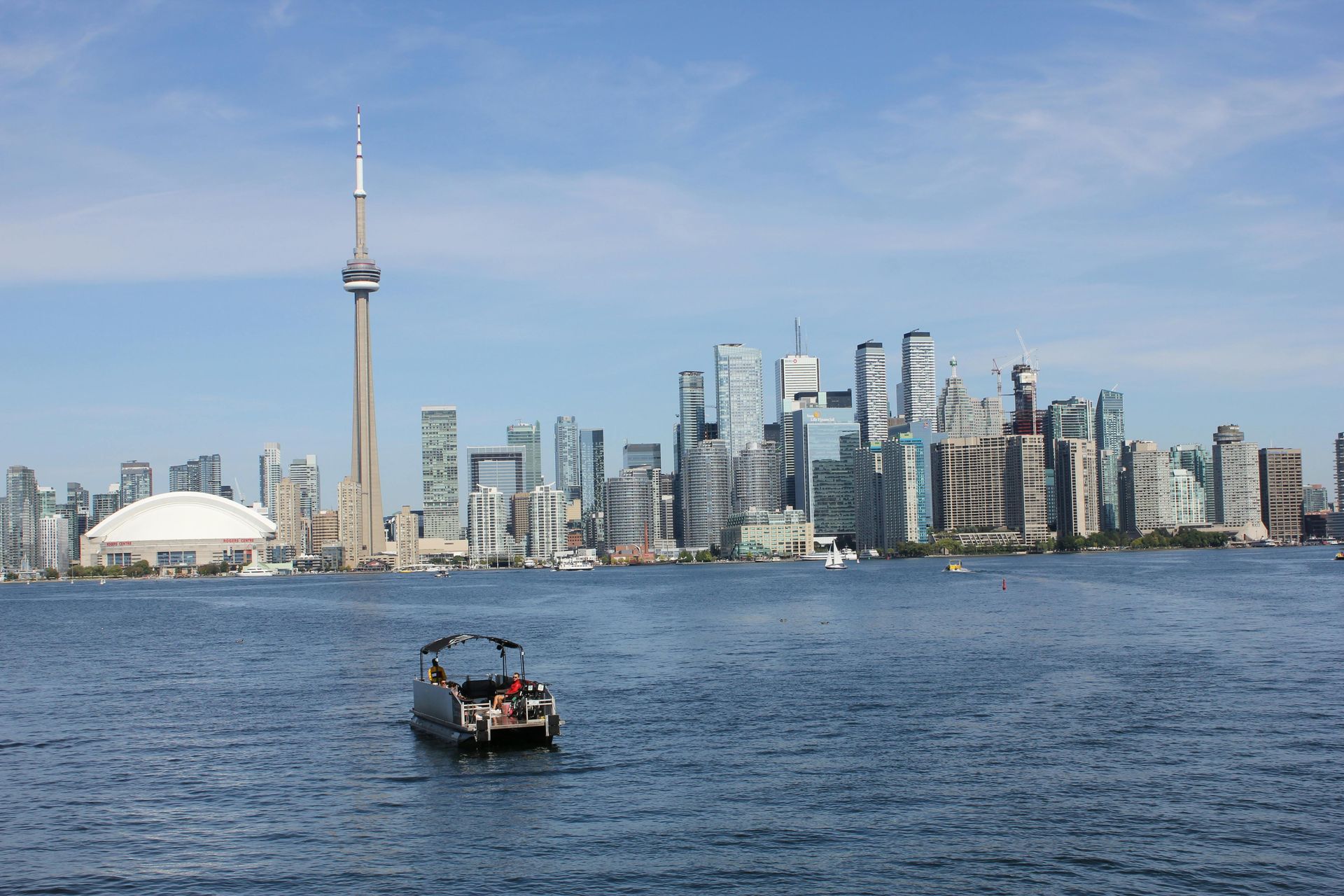
Provincial Nominee Programs: A Gateway to Toronto and Beyond

Living and working in Toronto, Canada's largest and most vibrant city, is a dream for many. Bustling with cultural diversity, economic opportunities, and a high standard of living, Toronto offers an attractive landscape for aspiring immigrants.


One of the most promising routes to achieve this dream is through Provincial Nominee Programs (PNPs). These programs, administered by individual Canadian provinces, allow skilled workers, entrepreneurs, and international students with specific qualifications to obtain a provincial nomination. This nomination significantly improves your chances of receiving permanent residency in Canada, eventually leading to citizenship.


This blog post dives deeper into Provincial Nominee Programs, focusing on the opportunities available in Ontario, specifically Toronto, and how Benjamin Law Immigration (www.benjaminlawimmigration.ca) can be your trusted partner in navigating this exciting path.


Understanding Provincial Nominee Programs (PNPs)

PNPs operate under a collaborative framework between the federal government (Immigration, Refugees and Citizenship Canada – IRCC) and individual provinces. Provinces have the autonomy to design PNP streams tailored to their specific labor market needs and economic priorities. This allows them to attract skilled individuals who can contribute positively to their respective regions.


For aspiring immigrants, PNPs offer several advantages over the traditional Express Entry system:

  • Targeted Programs: PNP streams are designed with specific professions or industries in mind. If your skillset aligns with these needs, your chances of receiving a nomination are significantly higher.
  • Faster Processing Times: Processing times for PNP applications are generally faster compared to the Express Entry system.
  • Improved Invitations to Apply (ITA) Scores: A provincial nomination effectively boosts your Express Entry profile, leading to a higher Comprehensive Ranking System (CRS) score and a greater chance of receiving an ITA from IRCC.


Toronto's Allure: A Magnet for PNP Applicants

Toronto, the heart of Ontario, pulsates with a vibrant economy, thriving tech scene, and a diverse cultural tapestry. It's no wonder many PNP applicants yearn to call this dynamic city home.


The Ontario Immigrant Nominee Program (OINP) offers a range of streams catering to various needs and skillsets. Some prominent OINP streams relevant to Toronto include:

  • The Human Capital Priorities Stream: This stream targets skilled foreign workers with a strong connection to the province. This connection can be established through work experience, education, or a valid job offer.
  • The French-Speaking Skilled Worker Stream: Ideal for French-speaking skilled workers seeking opportunities in Ontario.
  • The Masters Graduate and PhD Graduate Entrepreneur Streams: Geared towards international graduates, these streams expedite the path to permanent residency for those seeking to establish businesses in the province.


Benjamin Law Immigration: Your Guide Through Ontario's PNPs

Navigating the intricacies of PNP applications can be complex. Benjamin Law Immigration, a leading immigration law firm, provides comprehensive guidance and support throughout the entire process.


Here's how Benjamin Law Immigration can be your valuable partner:

  • Eligibility Assessment: Our team will meticulously evaluate your profile to identify the most suitable OINP stream for your qualifications and aspirations.
  • Streamlined Application Preparation: We will assist you in gathering all necessary documentation and ensure your application is meticulously prepared to maximize your chances of success.
  • Expert Representation: Throughout the process, our experienced immigration lawyers will advocate for you, address any inquiries from the OINP, and represent your interests professionally.
  • Post-Nomination Support: Upon receiving a provincial nomination, we will guide you through the final stages of securing permanent residency from IRCC.


Beyond Toronto: Explore Opportunities Across Ontario

Ontario offers a diverse range of communities beyond Toronto. Several PNP streams target skilled workers and entrepreneurs willing to contribute to regional economies outside of major urban centers. These streams often boast faster processing times and less stringent requirements compared to Toronto-focused streams.


Benjamin Law Immigration can help you explore these options based on your skillset and preferred lifestyle. We understand that Toronto might not be everyone's cup of tea, and we are here to help you find the perfect fit within Ontario.


Taking the First Step: A Free Consultation with Benjamin Law Immigration

The prospect of immigrating to Canada can be daunting, but it doesn't have to be. Benjamin Law Immigration is here to simplify the process and guide you towards your Canadian dream.


We offer free consultations to discuss your immigration goals in detail. During the consultation, our team will assess your eligibility for various PNP streams, answer any questions you may have, and chart a customized immigration plan tailored to your unique circumstances.


Contact Benjamin Law Immigration today and unlock the exciting possibilities of living and working in Ontario, Canada.


Disclaimer: This blog post provides general information only and does not constitute legal advice. Please consult with an immigration lawyer for personalized guidance on your specific situation.


November 13, 2025
The decision to seek refugee protection in Canada, particularly within the welcoming yet complex Greater Toronto Area (GTA), is often made under extreme duress. You arrive in a new country, seeking safety, only to be faced with one of the most significant legal challenges of your life: proving a well-founded fear of persecution or risk to your life in your home country. The refugee claim process in Canada is rigorous, highly detailed, and relies entirely on your ability to present clear, compelling, and consistent evidence to the Refugee Protection Division (RPD) of the Immigration and Refugee Board (IRB). Navigating the intricate forms, strict deadlines, and emotional weight of a hearing without expert guidance can jeopardize your future. At Benjamin Law Immigration, we stand with those seeking sanctuary. Immigrate to Canada with one of Greater Toronto Area's Top Immigration Law Firms. Successful Canadian Immigration is only a call away with Benjamin Law Immigration. Our expert team offers personalized guidance and comprehensive solutions for your immigration journey. We ensure your story is heard and your case is prepared to the highest legal standard. The Refugee Claim Process in the Greater Toronto Area Toronto is home to one of the largest refugee claimant populations in Canada, which means the local process is robust but often backed up. Understanding the key stages and requirements is the foundation of a successful claim. Making Your Initial Claim (POE or Inland) A refugee claim can be made in two main ways in the GTA: Port of Entry (POE) Claim: Made immediately upon arrival at an airport (like Pearson International Airport) or a land border crossing. A Canada Border Services Agency (CBSA) officer will conduct the initial eligibility screening. Inland Claim: Made after you have already entered Canada, typically submitted through the Immigration, Refugees and Citizenship Canada (IRCC) online portal. If deemed eligible by IRCC, your claim is referred to the RPD. The moment your claim is referred to the RPD, the clock starts ticking on a critical document: the Basis of Claim (BOC) Form . The Critical Basis of Claim (BOC) Form The BOC Form is the cornerstone of your entire case. It is your opportunity to clearly outline the reasons you need protection, referencing the five Convention refugee grounds or the criteria for being a person in need of protection: Convention Refugee Grounds: Persecution based on race, religion, nationality, political opinion, or membership in a particular social group. Person in Need of Protection: Risk of torture, death, or cruel and unusual treatment or punishment if returned home. The BOC form must be completed and submitted to the RPD within strict deadlines—often 45 days of referral. Failure to meet this deadline or submitting an incomplete form can lead to your claim being abandoned and potentially lead to a removal order. Given the profound impact of this single document, professional assistance is highly recommended. The Refugee Protection Division (RPD) Hearing The RPD hearing is a non-adversarial, yet highly formal, legal proceeding. The Decision Maker: You will appear before an RPD Member (decision-maker) who will listen to your testimony, review your evidence, and ask questions to assess your credibility and the merits of your claim. Credibility is Key: The RPD Member must believe your story. Inconsistency between your BOC form, your evidence, and your testimony can be fatal to your claim. Your counsel’s role is to ensure your testimony is clear, detailed, and aligns perfectly with the documentary evidence. Wait times for hearings in the Toronto region can be lengthy, often taking 20 months or more due to backlog, emphasizing the need to submit a strong, complete file from the start. The Legal Advantage: Why Counsel is Essential While refugee claimants have the right to represent themselves, the stakes are too high to navigate this system alone. Engaging a lawyer from the start transforms your claim from a collection of documents into a strong, legally sound case. H2 The Role of Benjamin Law Immigration in Your Claim Our expert immigration team provides a comprehensive suite of services specifically tailored to the nuances of the Canadian refugee process. 1. Crafting the Compelling Narrative and BOC The BOC is a legal declaration, not just a personal story. We help you translate your traumatic experience into a legally sound narrative that directly addresses the requirements of the Immigration and Refugee Protection Act (IRPA) . Identifying Legal Grounds: We meticulously analyze your situation to clearly identify the most relevant legal grounds for your claim (e.g., membership in a particular social group due to gender or sexuality, or political opinion). Detailed Narrative Drafting: We work with you to draft the narrative, ensuring all crucial details are included, and that the story is presented in a clear, consistent, and chronologically sound manner to minimize credibility issues at the hearing. 2. Evidence Gathering and Country Research A claim cannot rest solely on your word. It must be corroborated by objective evidence related to your home country. Customized Research: We conduct detailed, up-to-date research on human rights conditions, political unrest, and state practices in your country of origin using publicly available reports from sources like Amnesty International, Human Rights Watch, and the U.S. State Department. Document Organization: We identify and organize all supporting documents (passports, police reports, medical records, persecution evidence) and ensure all non-official documents are properly translated and notarized , meeting the strict evidentiary rules of the RPD. 3. Hearing Preparation and Representation The RPD hearing is where your claim is won or lost. Our lawyers ensure you are fully prepared for this critical moment. Mock Hearings: We conduct mock hearing sessions to familiarize you with the format, the types of questions the RPD Member and Minister's counsel may ask, and how to maintain composure and provide credible, relevant testimony under pressure. Legal Advocacy: At the hearing, your lawyer acts as your advocate, presenting your case, making legal submissions, introducing evidence, and ensuring the proceedings are conducted fairly and according to the law. Appeals and Post-Decision Support If your claim is refused, your journey is not over. We are prepared to assist with the next steps: Refugee Appeal Division (RAD): We assess the RPD decision for legal errors and prepare an appeal to the RAD, which generally focuses on errors of fact or law made by the RPD Member. Federal Court Judicial Review: If the RAD decision is also negative, we can seek leave for judicial review at the Federal Court of Canada, arguing that the decision-making process was unfair or unreasonable. Pre-Removal Risk Assessment (PRRA): If all other remedies are exhausted, we can apply for a PRRA, which assesses the risk you face immediately before removal. Find Safety and Success in Toronto The process of claiming refugee protection in the GTA is complex, time-sensitive, and inherently high-stakes. While Canada offers a path to safety, that path is navigated through a difficult legal labyrinth. Your success depends on the meticulous preparation of your BOC form, the strength of your evidence, and the quality of your representation at the hearing. At Benjamin Law Immigration, we offer the expertise, compassion, and tireless dedication required to successfully represent you before the IRB. We understand the profound importance of your claim—it is a matter of life and safety. Immigrate to Canada with one of Greater Toronto Area's Top Immigration Law Firms. Successful Canadian Immigration is only a call away with Benjamin Law Immigration. Our expert team offers personalized guidance and comprehensive solutions for your immigration journey. Let us be your trusted legal guide on the path to sanctuary. Contact Benjamin Law Immigration today for a consultation to discuss your refugee claim and start building your case.
October 24, 2025
Immigrate to Canada with one of Greater Toronto Area's Top Immigration Law Firms. Successful Canadian Immigration is only a call away with Benjamin Law Immigration. Our expert team offers personalized guidance and comprehensive solutions for your immigration journey. The Gateway to Opportunity Toronto, a global city celebrated for its dynamic economy and multicultural populace, stands as the ultimate destination for skilled immigrants. The Greater Toronto Area (GTA) is a powerhouse of commerce, technology, and culture, yet its rapid growth means it faces a persistent demand for skilled workers to fill crucial labour market gaps. Canada's response to this need is the Federal Skilled Worker Program (FSWP) , a cornerstone of the Express Entry system, which offers a clear and merit-based pathway to Permanent Residence (PR) for qualified professionals from around the world. This article explores how the FSWP is designed to meet Toronto’s burgeoning demand, highlighting the most in-demand sectors and offering essential guidance on leveraging your skills for a seamless transition to a rewarding career in one of the world's most vibrant cities. The Federal Skilled Worker Program: Your Path to Toronto The FSWP is an economic immigration program for skilled workers who have foreign work experience and wish to become permanent residents based on their ability to settle and contribute to the Canadian economy. It is a critical component of the federal government's immigration strategy, directly feeding the national labour pool—a pool Toronto draws heavily from. FSWP Minimum Eligibility Requirements To be eligible to create an Express Entry profile under the FSWP, candidates must meet several minimum criteria, assessed via a 67-point grid out of 100: Skilled Work Experience: You must have at least one year of continuous, paid, full-time (or equivalent part-time) work experience in the last 10 years in a skilled occupation (National Occupational Classification or NOC TEER 0, 1, 2, or 3 ). Language Ability: You must take an approved language test (English or French) and achieve a minimum score of Canadian Language Benchmark ( CLB 7 ) in all four abilities (reading, writing, listening, and speaking). Education: You must have a Canadian secondary (high school) or post-secondary certificate, diploma, or degree, or a foreign equivalent with an Educational Credential Assessment (ECA) . Meeting the 67-point minimum on this grid qualifies you to enter the Express Entry pool . How the Comprehensive Ranking System (CRS) Works Once in the Express Entry pool, candidates are ranked using the Comprehensive Ranking System (CRS) , which scores profiles out of a maximum of 1,200 points. The CRS score is what ultimately determines who receives an Invitation to Apply (ITA) for Permanent Residence. While the 67-point grid only determines eligibility for the FSWP, the CRS score dictates your chances of success . Factors that significantly boost your CRS score include: Higher Language Scores: Aiming for CLB 9 or higher can drastically increase your points. Advanced Education: Master’s or Doctoral degrees carry more points. Age: Candidates between 20 and 29 years old receive maximum points. Adaptability: Having a Canadian sibling, previous Canadian work/study experience, or a spouse/partner with strong language skills. The cut-off score in Express Entry draws fluctuates based on the size and frequency of the draw. Staying competitive often means proactively boosting your CRS score, which is a key area where expert legal advice becomes invaluable. Toronto's In-Demand Occupations Toronto's economy is diversified, but certain sectors are experiencing explosive growth, leading to a critical shortage of skilled professionals. These sectors offer the most promising opportunities for FSWP candidates. Technology and Innovation 💻 As a major North American tech hub, Toronto has an insatiable appetite for talent. The demand spans across various sub-sectors, including FinTech, AI, and digital media. In-demand roles include: Software Engineers and Developers (NOC 21232) Data Analysts and Scientists (NOC 21223) Cybersecurity Specialists Information Systems Managers (NOC 20012) Healthcare and Social Services 🏥 The GTA's aging population and expanding healthcare infrastructure have created an urgent need for medical professionals at all levels. This sector is a consistent area of focus for targeted Express Entry draws. Key occupations include: Registered Nurses (NOC 31301) and Licensed Practical Nurses (NOC 32101) Physiotherapists and Occupational Therapists Physicians and Specialists Early Childhood Educators and Assistants (NOC 42202) Personal Support Workers (PSWs) (NOC 34101) Skilled Trades and Infrastructure 🛠️ Toronto's booming real estate market and major infrastructure projects—from transit to commercial construction—rely heavily on skilled trades workers. These professions are not only in high demand but also offer excellent long-term career prospects. Essential roles include: Electricians (NOC 72401) Plumbers Construction Managers (NOC 07101) Welders and Carpenters (NOC 72310) Financial and Business Services 💰 As Canada's financial capital, Toronto constantly seeks professionals in finance to manage its vast banking, insurance, and investment sectors. Financial Analysts (NOC 11101) Accountants Project Managers (NOC 70010) Human Resources Managers (NOC 10011) Targeting a career in one of these high-demand occupations significantly enhances a skilled worker's application, particularly through the use of Category-Based Selection Draws within Express Entry, which frequently prioritizes these sectors. Securing Your Future in Canada The Federal Skilled Worker Program remains one of the most effective and popular routes for skilled professionals seeking to establish Permanent Residence in Canada. For those eyeing the vast economic landscape of Toronto, aligning your expertise with the city's critical labour demands in technology, healthcare, an d trades is a powerful strategy for success. Navigating the complexities of the FSWP's 67-point grid, the dynamic CRS score requirements, and the specific needs of the Toronto job market demands a methodical approach. From ensuring your Educational Credential Assessment is properly prepared to maximizing your language test scores, every detail matters. Don't leave your immigration future to chance. Benjamin Law Immigration offers the specialized knowledge and personalized legal strategy needed to transform your skilled experience into a successful Canadian immigration story. Our commitment is to provide comprehensive, up-to-date guidance, ensuring your application is not just eligible, but truly competitive. Your life in Toronto awaits. Immigrate to Canada with one of Greater Toronto Area's Top Immigration Law Firms. Successful Canadian Immigration is only a call away with Benjamin Law Immigration. Our expert team offers personalized guidance and comprehensive solutions for your immigration journey.
September 5, 2025
In an increasingly interconnected world, economic decisions made by one nation can ripple across borders, impacting global trade, consumer prices, and even the social fabric of another country. For Canada, a nation whose economy is deeply integrated with that of the United States, recent protectionist measures south of the border have created significant economic headwinds. The imposition of tariffs on key Canadian exports has not only disrupted industries and supply chains but has also contributed to a tangible rise in costs for Canadian consumers. This economic uncertainty, in turn, is influencing a fundamental pillar of Canadian society: its immigration policy. This blog post will explore how US tariffs are raising prices for Canadians and, in a broader sense, shaping the conversation and future of immigration in Canada. The Economic Fallout of US Tariffs The principle behind protectionism is simple: shield domestic industries from foreign competition by making imported goods more expensive. In practice, however, the results are far more complex. The imposition of tariffs on Canadian steel and aluminum, for example, has had a direct and measurable impact on Canada’s trade-exposed sectors. While intended to bolster American producers, these tariffs have put Canadian industries at a disadvantage, leading to a decline in exports and a contraction in the Canadian economy. How Tariffs Translate to Higher Prices for Canadians The connection between US tariffs and the rising cost of living for Canadians is not always direct, but it is undeniable. When the US places a tariff on Canadian steel, for instance, it's not just the steel industry that feels the pinch. The effects cascade through the supply chain. For Canadian companies that rely on US-made goods as inputs, retaliatory tariffs have made those materials more expensive. For example, Canada has historically responded to US tariffs with its own duties on a range of American products, including consumer goods. While many of these retaliatory tariffs have recently been removed to ease negotiations, those that remain on key sectors like steel, aluminum, and autos continue to impact Canadian businesses. The Ripple Effect on Canadian Consumers The costs incurred by Canadian businesses as a result of tariffs are often passed down to the consumer. A construction company building a new home might face higher prices for steel beams, a cost that is ultimately factored into the final price of the house. Similarly, a car manufacturer might face increased costs for aluminum parts, which are then reflected in the sticker price of a new vehicle. While many of Canada's retaliatory tariffs have been removed, the residual impact of US tariffs, combined with broader economic pressures, continues to affect purchasing power. The cost of raw materials and intermediate goods has risen, which in turn leads to higher prices for a wide range of products, from household appliances to industrial machinery. This inflationary pressure squeezes household budgets, making it more challenging for families to manage their expenses. The Impact on Canada’s Labour Market The economic uncertainty and direct costs of tariffs have also had a noticeable effect on Canada's labour market. Industries heavily exposed to trade, such as manufacturing and goods-producing sectors, have experienced slower job growth. In contrast, service-based industries have shown more resilience, but the overall picture is one of a bifurcated economy. The job data from early 2025, for example, showed a significant divergence, with the goods-producing sector shedding positions while services saw some gains. This has led to a weaker overall job market, with a rise in precarious, part-time work as firms become hesitant to hire for permanent, full-time roles due to the uncertain trade environment. The Connection to Canadian Immigration Policy Canada’s immigration policy is a powerful economic tool, meticulously designed to meet the nation’s demographic and labour needs. For decades, immigration has been the primary driver of Canada's labour force growth and a key pillar of its economic success. However, the economic challenges posed by protectionism and a slower domestic economy are now directly influencing this policy. Immigration as an Economic Lever Historically, Canada has used immigration to fill labour shortages and attract the skills needed for a prosperous economy. When the economy is strong and growing, the government often increases immigration targets to fuel that growth. Conversely, when economic headwinds appear, the public and policymakers alike begin to question the capacity of the country to absorb new arrivals. The current economic climate, marked by high inflation and a weaker job market, has intensified the public debate around immigration. Concerns about housing affordability and the strain on public services—such as healthcare—have led to a shift in government policy. In response to these pressures, the government has recently lowered permanent resident targets and introduced caps on the number of temporary residents, including international students. A Shift in Policy and Perception The move to a more cautious immigration approach is a direct reflection of domestic economic realities. While immigration remains a crucial long-term strategy to combat an aging population and low birth rates, the short-term economic challenges are forcing a re-evaluation of the pace of growth. The government is attempting to strike a balance between attracting the talent needed for a strong future and addressing the immediate concerns of its citizens regarding housing and job market stability. For prospective immigrants, this creates a new set of challenges. A slowing job market in certain sectors, coupled with higher living costs, may make Canada a less attractive destination. Additionally, policy changes—such as the removal of extra points for job offers in the Express Entry system—signal a shift towards a more merit-based selection process that values core qualifications over pre-existing employment ties. Conclusion The cost of protectionism extends far beyond a few percentage points on a spreadsheet. It is a tangible burden felt by Canadian consumers in the form of higher prices and by workers in the form of a more challenging job market. This economic fallout, largely driven by US tariffs and the ensuing trade disputes, is now directly influencing Canada's immigration policy, a central component of its long-term economic strategy. At Benjamin Law Immigration, we understand that these macroeconomic trends are not abstract concepts; they are forces that shape the lives of our clients and the decisions they face. Navigating the Canadian immigration system in this evolving landscape requires a keen understanding of both legal frameworks and the economic currents that influence them. Our expert team is here to provide the personalized guidance and comprehensive solutions you need to make sense of these complex changes and chart a clear path to Canada. Whether you are a skilled worker, a family member, or a business professional, we are committed to your success. With Benjamin Law Immigration, successful Canadian Immigration is only a call away. Disclaimer: This blog post is intended for informational purposes only and does not constitute legal advice or create a lawyer-client relationship. Immigration laws, policies, and economic conditions are complex and subject to change. You should consult with a qualified Canadian immigration lawyer regarding your specific situation. Contact Benjamin Law Immigration for personalized legal counsel licensed to practice immigration law in Canada.

BOOK YOUR FREE CONSULTATION


Fill out the Case Evaluator form below to discuss your case or claim with one of our experienced Family-First legal professionals. At Benjamin Law, we work hard, and fast to get you justice, to solve your problems, and get you the compensation that you deserve.


Contact Us